logo

Gateway To Exotic Himalayas

Full Service Bhutan DMC
Plan Your Trip
logo

Gateway To Exotic Himalayas

Full Service Bhutan DMC
Plan Your Trip
Plan Your Visit

Planning a journey to Bhutan is easier when you know what to expect.
From choosing when to travel and understanding how to reach the country to preparing the necessary documents and practical arrangements, this section provides an overview of the essentials.

WHEN TO VISIT BHUTAN
Bhutan Through the Year
Bhutan is a year-round destination. Each season brings a different character to the landscape, and the best time to visit depends on what you would like to experience.
spring
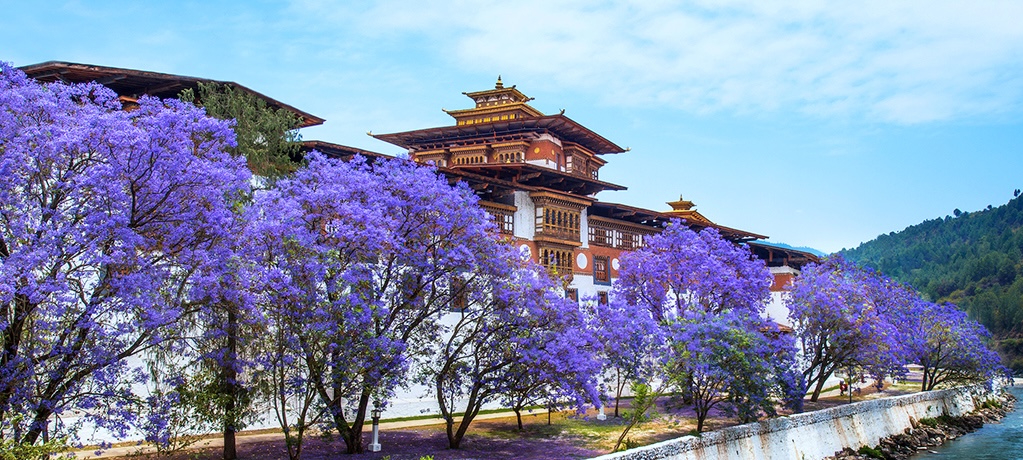
Spring — March to May
Spring brings flowering landscapes, fresh greenery and pleasant conditions for exploring. It is particularly attractive for travellers interested in nature, cultural exploration, hiking and trekking.
read more
summarr
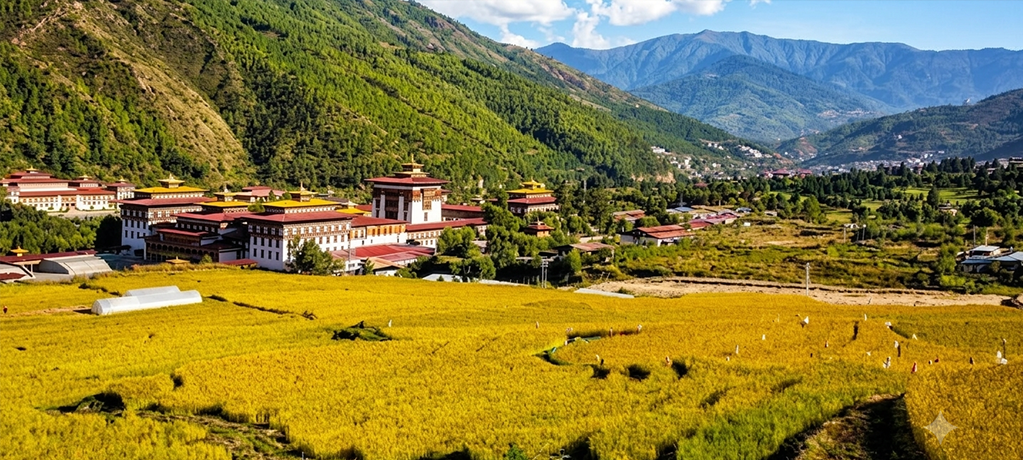
Summer — June to August

Summer brings life and vibrancy to Bhutan's landscapes. The forests and valleys become lush and green, wildflowers add colour to the countryside, and the natural surroundings take on a fresh and vibrant character.
It is a wonderful time to experience Bhutan's lush environment, natural ambience and quieter landscapes, particularly for travellers who enjoy nature, photography and the changing character of the countryside.
read more
autum
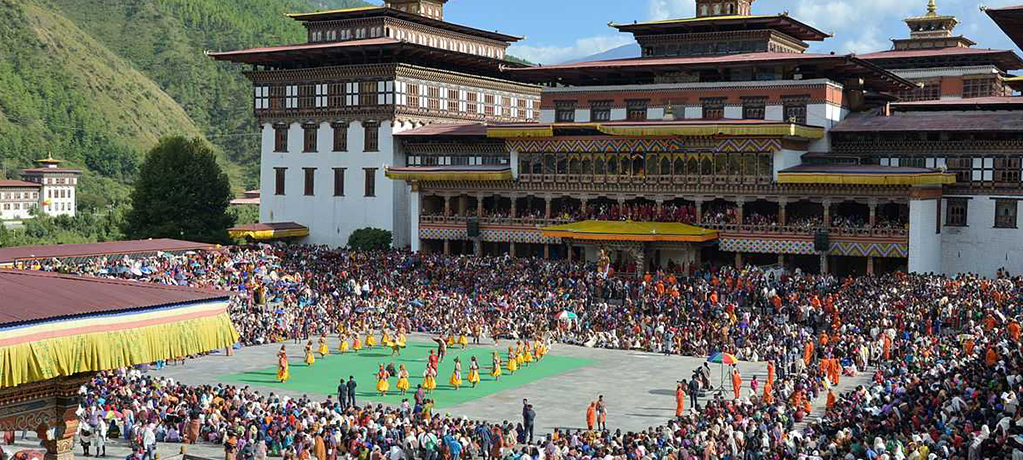
Autumn — September to November
Autumn brings clearer skies and beautiful mountain views, making it a particularly attractive season for trekking, hiking and scenic journeys.
read more
winte
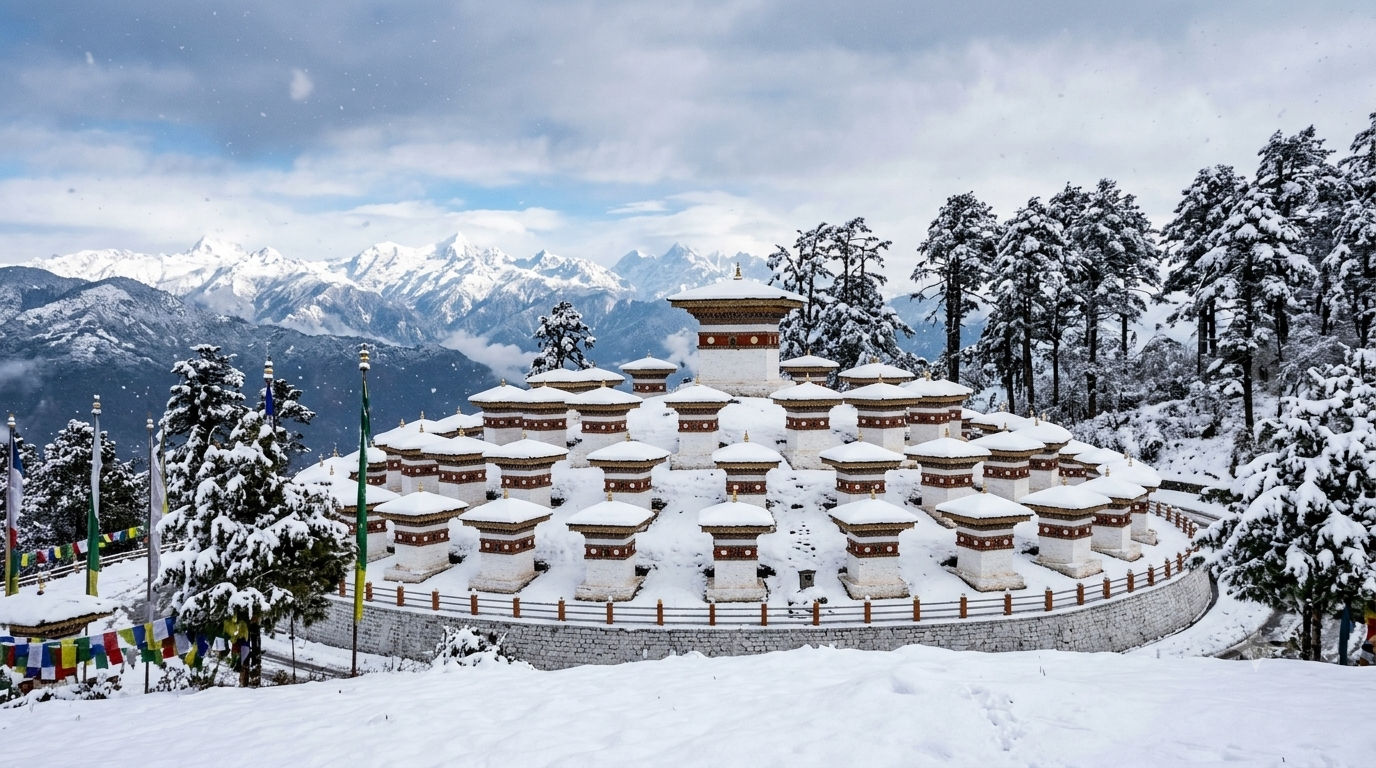
Winter — December to February

Winter brings crisp conditions and quieter landscapes.
Higher valleys such as Gangtey/Phobjikha and Bumthang can be considerably colder. For travellers who enjoy cold weather and quieter surroundings, winter can be an excellent time to experience these regions.
The Gangtey/Phobjikha valley is also associated with the seasonal arrival of black-necked cranes, generally from October to February.

read more
GETTING TO BHUTAN
By Land
Bhutan can also be entered by land from India through designated border points, including:
  • Phuentsholing — Western Bhutan
  • Samtse — Southwestern Bhutan
  • Gelephu — Central Bhutan
  • Samdrup Jongkhar — Eastern Bhutan
The most suitable entry point depends on the wider journey and where the traveller is coming from. Overland travel can be particularly useful for travellers combining Bhutan with destinations in India.
By Air
Bhutan can be reached by flights from selected regional gateways, including:
  • Kolkata
  • Delhi
  • Kathmandu
  • Bangkok
  • Singapore
  • Guwahati
  • Bagdogra
Flight schedules and routes can change, so travellers should check current availability when planning their journey.
VISA & ENTRY
International Travellers

Most international travellers require a visa before travelling to Bhutan. To process a visa, travellers should be prepared to provide:

  • A clear digital copy of a valid passport
  • A recent passport-size photograph
  • Travel dates and other required travel information

The passport should have at least six months' validity from the date of departure from Bhutan. A one-time, non-refundable visa application fee of USD 40 per person applies to visitors who require a visa.

Visitors from India

Indian nationals do not require a visa. They require an entry permit to enter Bhutan. We can assist with the practical preparation and coordination required for your journey.

Read More
SUSTAINABLE DEVELOPMENT FEE
Bhutan's Sustainable Development Fee
The Sustainable Development Fee (SDF) contributes towards Bhutan's long-term development and the country's commitment to preserving its environment, culture and communities.
For most international visitors, the current SDF is USD 100 per person, per night. The current preferential rates are scheduled to remain in place until 31 August 2027. Indian nationals are subject to a separate SDF rate of INR/Nu. 1,200 per person, per night. The applicable fee and related policies can change, so travellers should check the latest official information when planning their visit.
We can help you understand how the current requirements apply to your journey.
Read More
TRAVELLING IN BHUTAN
What to Expect

Travelling through Bhutan is part of the experience.
Mountain roads, changing elevations and varying travel times mean that journeys can sometimes take longer than they appear on a map. The pace is generally slower, allowing time to enjoy the landscapes and make stops along the way.
Accommodation ranges from comfortable hotels and traditional-style properties to boutique and luxury stays, depending on the destination and style of journey.
Being prepared for the country's mountain environment and a flexible approach to travel will help you get the most from your time in Bhutan.

What to Pack

What you pack will depend on the season, destinations and activities included in your journey. Layers are useful throughout the year, as temperatures can change significantly between day and night and between different elevations. Comfortable walking shoes are recommended, even for journeys that do not include trekking.
For temple and monastery visits, modest clothing that covers the shoulders and knees is appropriate.
If you are travelling during the cooler months or heading to higher elevations, additional warm layers will be essential.

MONEY, CONNECTIVITY & PRACTICAL INFORMATION
Useful Things to Know

A few practical details can make travelling in Bhutan easier.
We can provide guidance on local currency, payments, mobile connectivity, internet access, electricity, local customs and other practical considerations before you travel.
Your journey information will also include the details you need for your particular itinerary.

BEFORE YOU TRAVEL
Useful Things to Know

Once your journey is confirmed, we will help you prepare for your time in Bhutan.
From your itinerary and accommodation details to transportation, activities and practical information, we aim to make sure you know what to expect before you arrive.
And once you are here, our Bhutan-based team remains available to support your journey on the ground.